Dates
Mar 13 – Apr 25, 2026
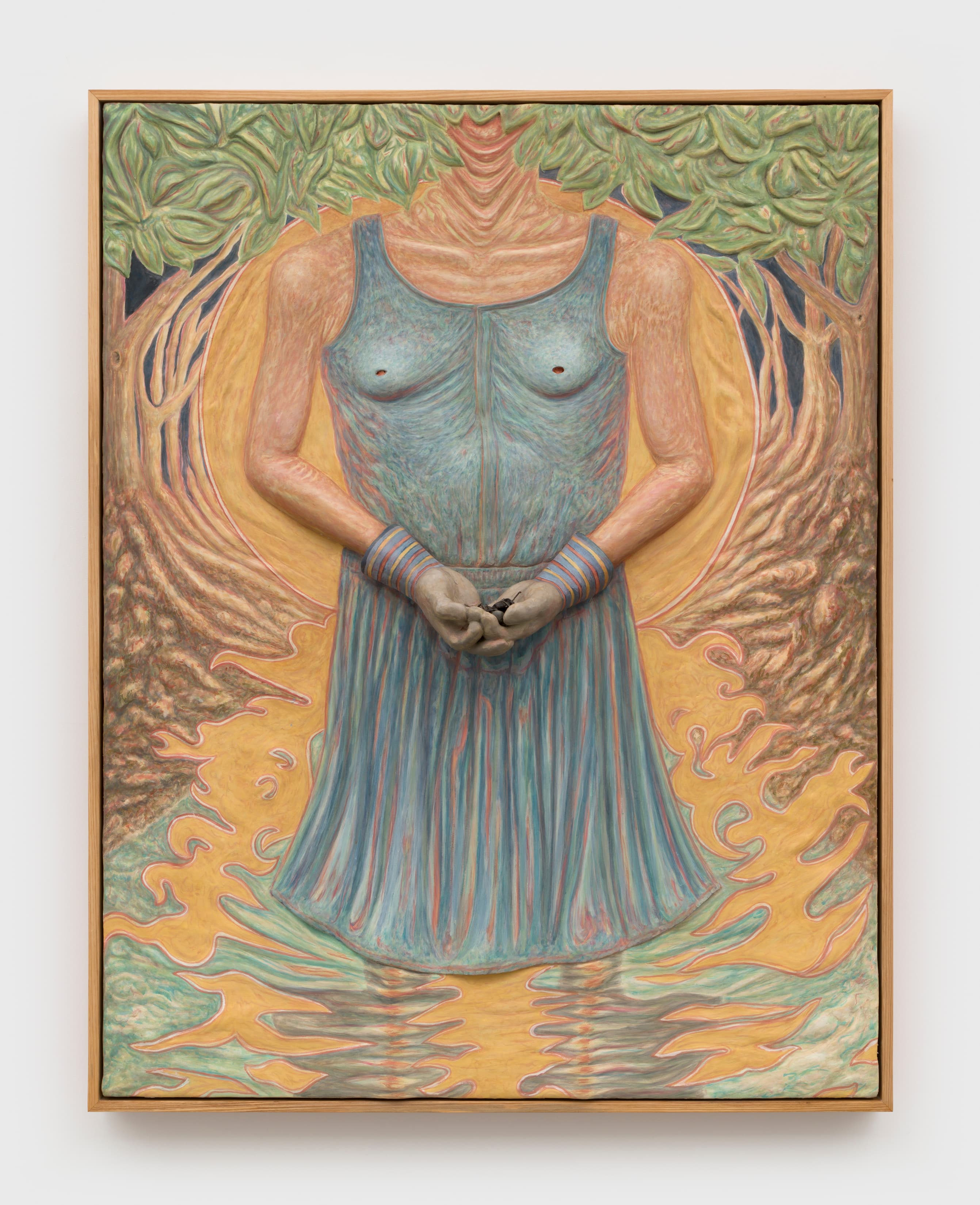
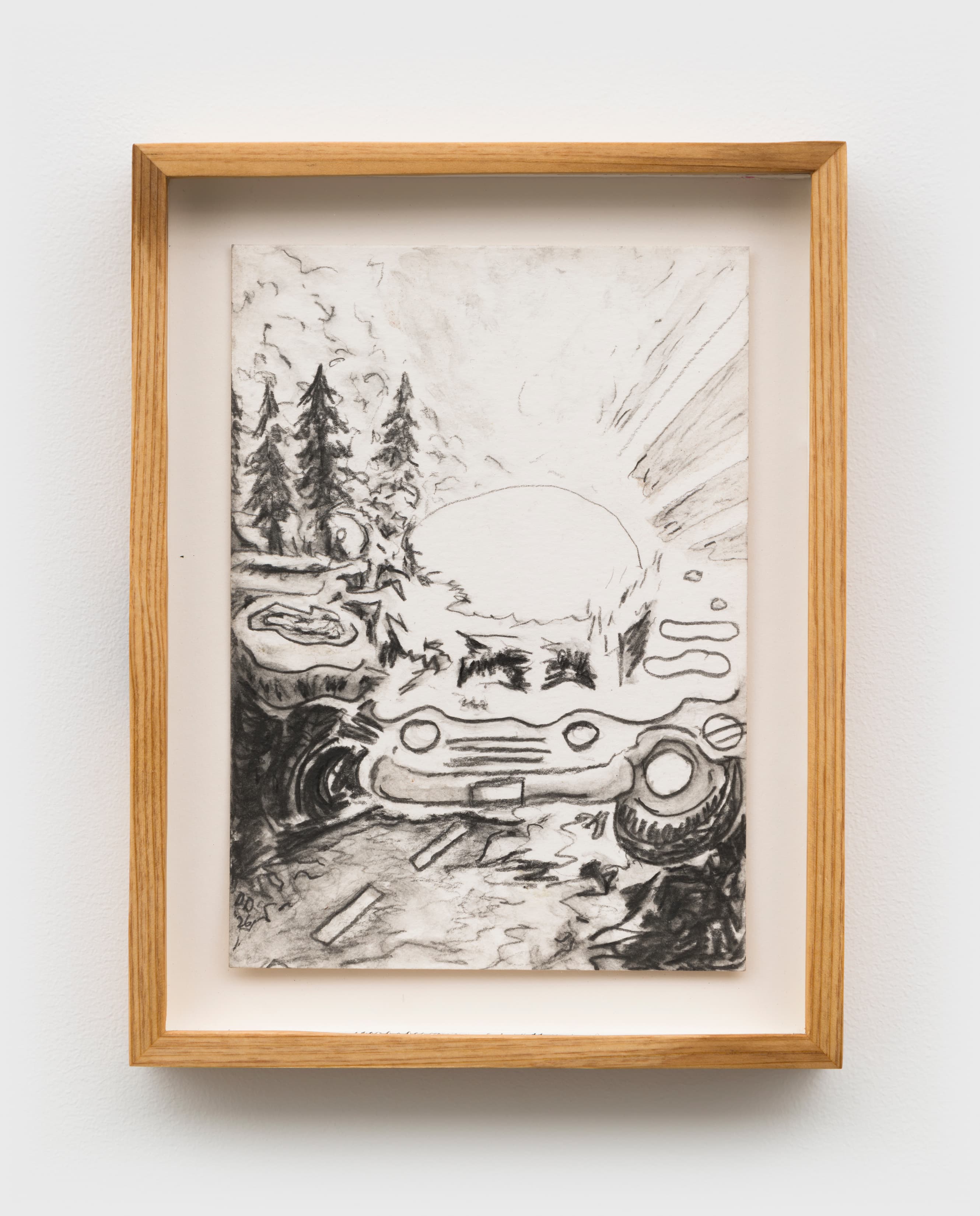
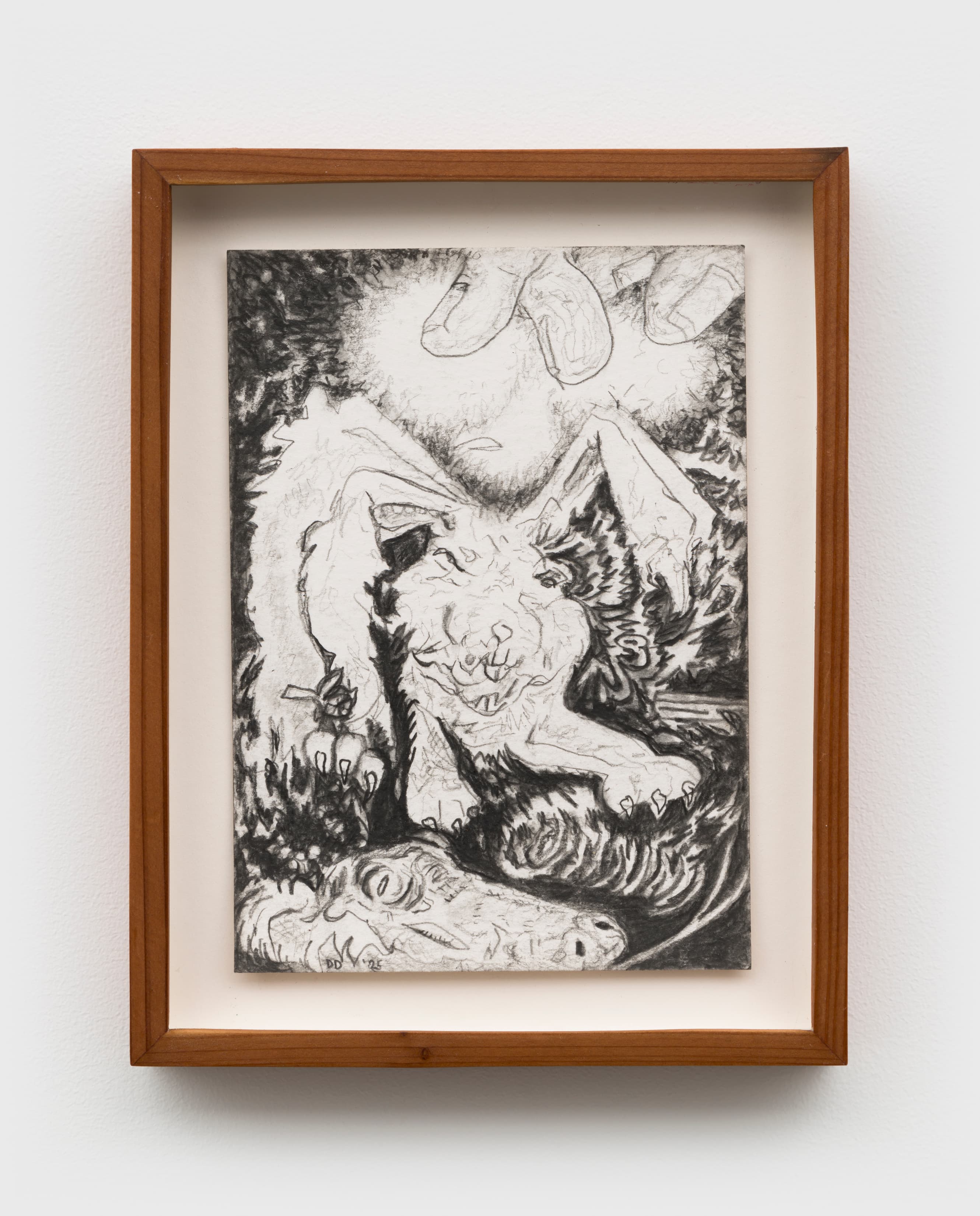
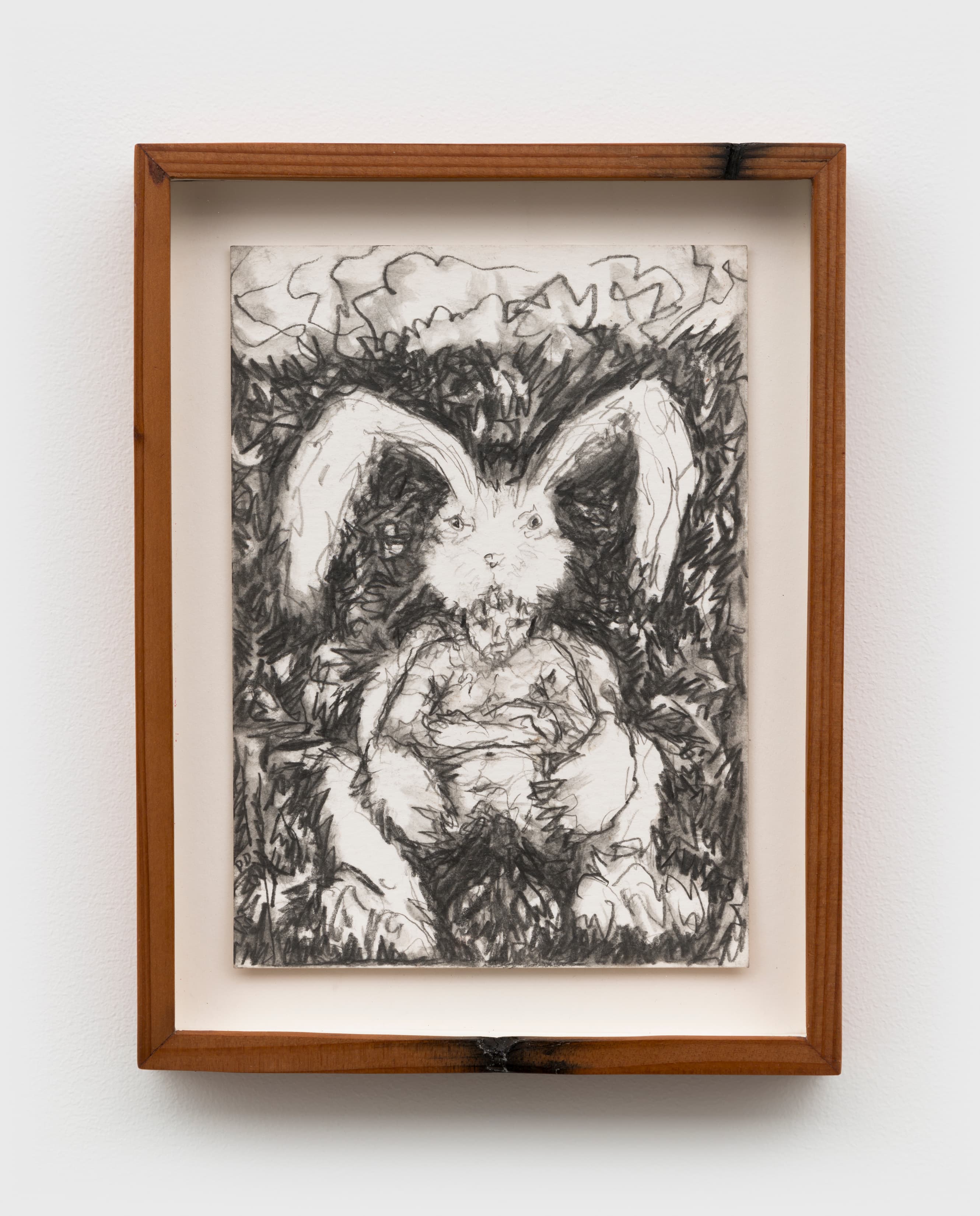
"A fire in tha master's house is set" (1.) — Rage Against the Machine At the center of DD Herschlein's Spite House is a photograph: Burning the Universal Facade. Against a pictureseque, partly sunny sky sits a mansion. Its windows, licked by flames, have started to char. The building is, in reality, an incombustible set, a bygone stop on a Universal Studios tour. But in Herschlein's hands, its image is a mirror and a manifesto. The artist asks us to consider spite—to reassess its reputation and recognize it as a righteous rebellion, a tool for seizing dignity. For the disempowered, spite can alchemize stagnation into energy. U.S. empire, bloated by bloodthirsty self-superiority, is a brute oppressor. To undermine its power, the subjugated must try and try again to assail the facade, to wear it down—much like this false home, reinforced against attack, is nonetheless battered by fire, again and again. These efforts may appear inconsequential; spite is a balm, nonetheless. Philosophers Patrick Forber and Rory Smead define spite as a "social behaviour that inflicts harm with no direct benefit to the actor and often at some cost." (2.) In this vein are the "spite houses" that pepper the country: structures erected to settle a score, with the intent to annoy rather than reside. From this tradition, DD Herschlein's Spite House at Matthew Brown Gallery takes its name. The artist renders spite as structure—an apparatus to behold and to revere. Across Herschlein's sculptures and paintings, suburbia operates as a bizarre zone where harm lurks around the bend. Here, they have constructed "framing devices": a gazebo, a fence, a birdhouse. These apparatuses, typically demarcators of suburban tranquility and isolation, are presented as mechanisms to propagandize and reinforce ideas of "ownership, dominance, and manipulation" to "create the boundaries of the dominator culture," the artist explains. Leading us into the exhibition are black-and-white drawings. They are urgent depictions of evacuation—frantic rabbits, their eyes beaming like headlights; cracking eggs being gathered in haste; cars bolting down roads. Inside, concealing some of the painted reliefs on view is Living Is Easy With Eyes Closed (Spite Fence), constructed from fencing salvaged and rearranged from their partner's home in Altadena, after the community was devastated by the LA Fires of 2025. (This wood is utilized throughout the exhibition.) Two holes drilled in its facade tempt us to engage as voyeurs, to see the paintings behind the barrier, like nosy children peeking into the neighbor's yard. Between the fence's sharp points are miniature, sculpted homes—a society shrunk down to pocket-size and put on display. On the opposite side of the barricade is a painted silhouette: a tantalizing savior figure with arms outstretched, their hollow eyes where ours had just been. In our looking, we have been implicated. Their arms were outstretched not to comfort, but to control—a parallel of unseen, omnipresent state surveillance. The Apology also offers and entices: stacked hands gesture toward us, cupping a birdhouse perforated by two holes. Behind the fence are several paintings. Herschlein returns to a familiar motif from their oeuvre in The Collision, a painted relief in which a vehicle navigates a dark and mountainous road. In I Will Take You Apart, a torso stands in the middle of a concentric forest. Their soft, gloved hands palm nails and screws; we cannot see their face, hidden behind leaves. A dress hangs delicately from their frame, and light pools around their body. In I Have a Big and Beautiful Body, a moth is split open, a redwood carved into its innards. Like nesting dolls, the ecosystem of Herschlein's artworks never seems to cease. Each layer lures us closer, and we are tempted to descend further and further into their rabbitholes, in search of continued surprise. A gazebo, Spite House, sits at the center of a gallery, peppered with scratchitti doodles bearing messages of dissent and cheeky observations. A fabricated, spiraling wasp's nest clings to its ceiling. Intentionally degrading the site and our expectations, the artist questions the perceived pristine dominance of hegemonic infrastructure. Herschlein's suburbia is one in decline. Above head, adhered to the darkly painted walls are bulbous, golden pins that appear like stars or lightning bugs. (They will be available for $50 each and mailed to the buyer at random—an introduction of a new, more egalitarian mode of engagement and accessibility in the gallery space.) These miniatures, the artist has dubbed "Morning Stars." As we drink in this facsimile of a nighttime scene, a pair of scuffed plastic chairs offers respite, where we can sit and ruminate on the status quo that Herschlein critiques and dream up new ways to spite it. Knocked from its pedestal, we can pick at its bones. "Spite is for everyone to use, to punch up, to trend towards fairness and assert dignity," says Herschlein. —Jasmine Weber (1.) Rage Against the Machine. "New Millenium Homes." Track 10 on The Battle of Los Angeles. Epic Records, 1999, CD. (2.) Forber, Patrick, and Rory Smead. "The Evolution of Fairness through Spite." Proceedings of the Royal Society B: Biological Sciences 281, no. 1780 (April 7, 2014): 20132439. https://doi.org/10.1098/rspb.2013.2439.