Dates
Mar 21 – Apr 25, 2026
Today
10:00 AM – 6:00 PM
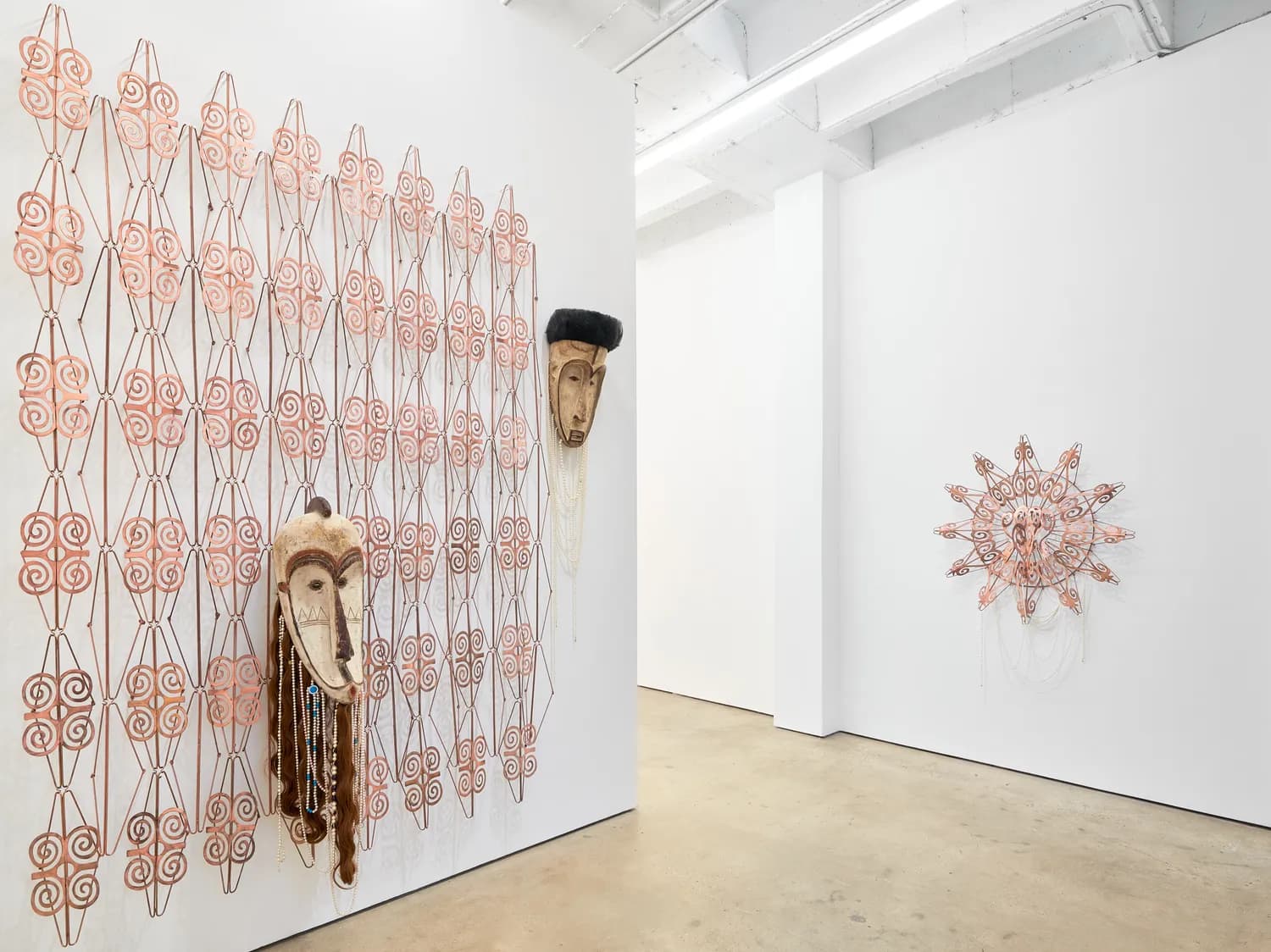
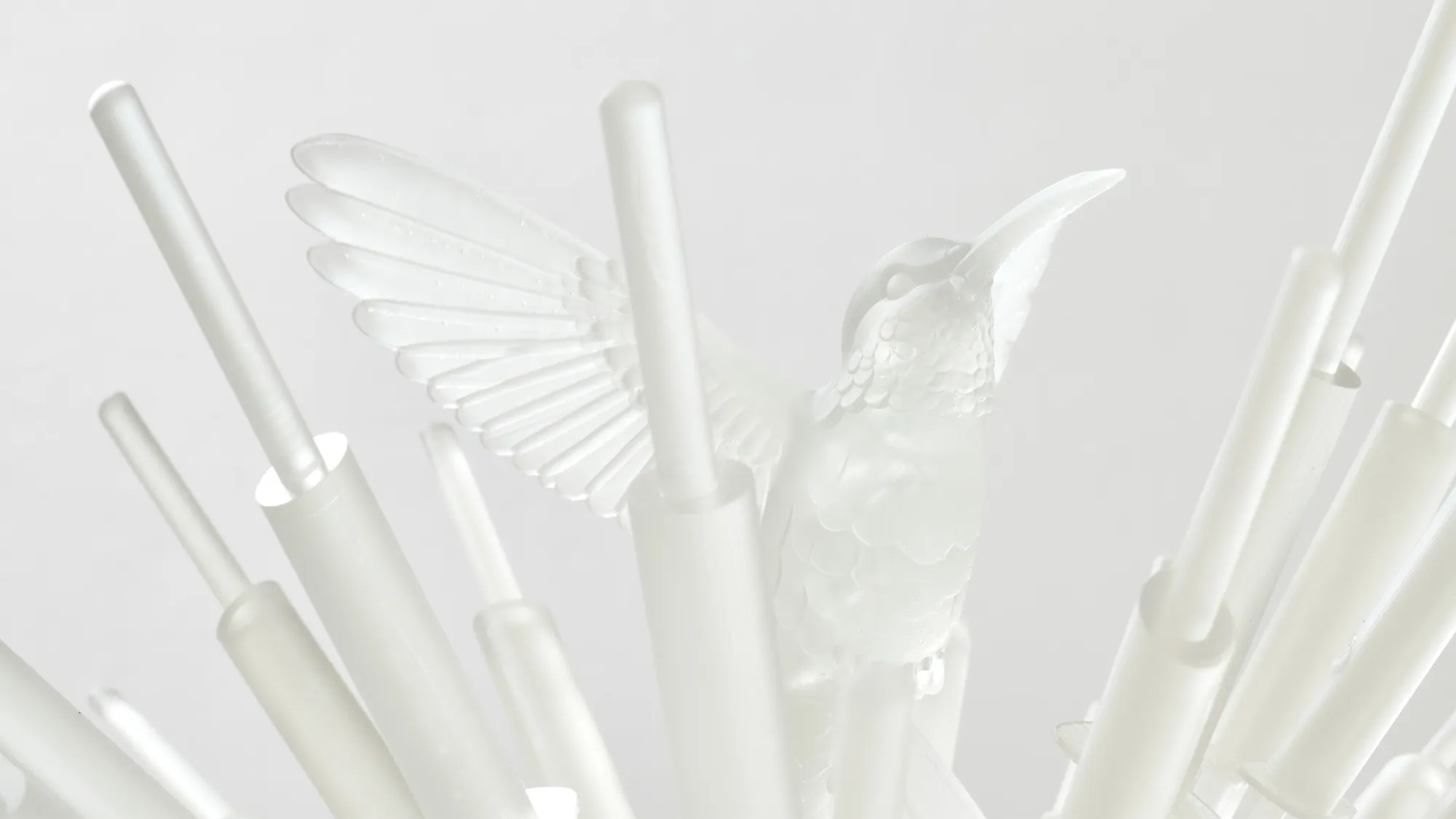
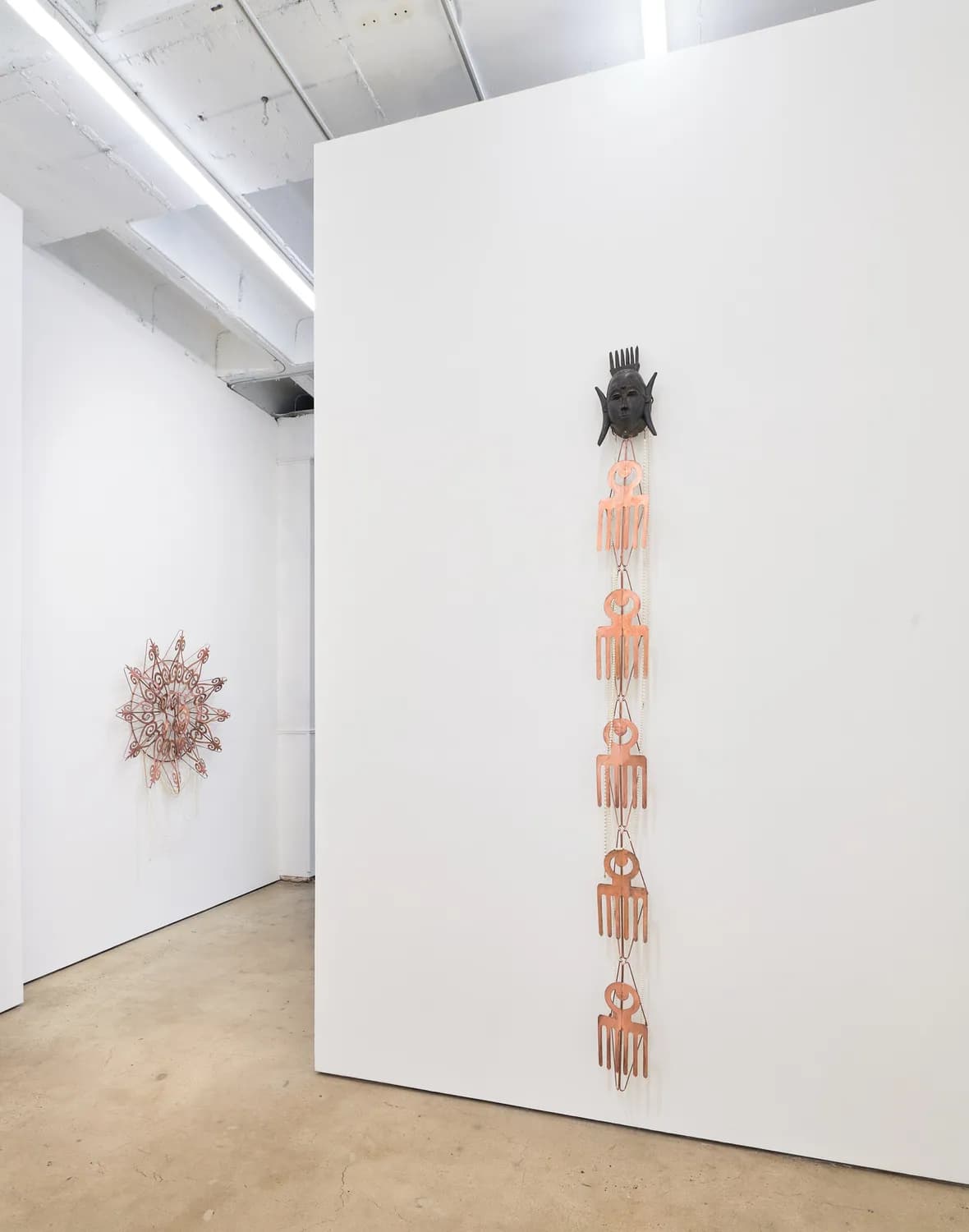
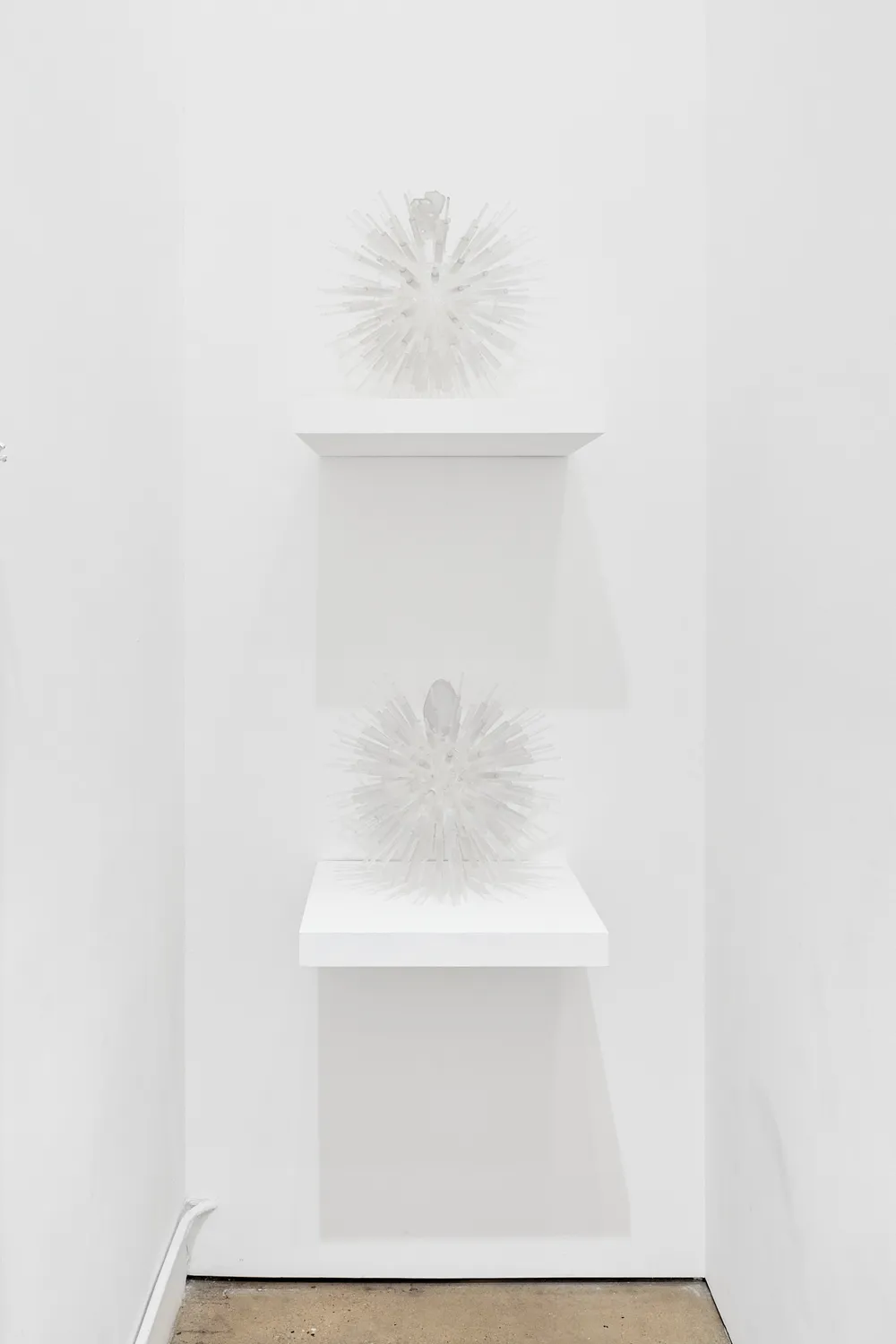
François Ghebaly New York is proud to present Assotto:ottossA, Jeffrey Meris's debut solo exhibition at the gallery's Lower East Side space. Soul by Assotto Saint I remember the beginning a dream ancient as dawn a dream of destiny drumming up the blood the flesh this earth a dream we were once one soul Haitian-born artist Jeffrey Meris inhabits a unique syncretism in his work. Drawing from across disciplines and both personal and historical contexts, Meris uses sculpture (as well as installation, performance, drawing, and site-specificity) to bridge timescales, geographic place, folklores, and epistemologies of care. His newest exhibition, Assotto:ottossA, centers a posthumous conversation with the pioneering Haitian-American poet and AIDS activist Assotto Saint. A key figure in the cultural arts and Black Gay movements in New York in the 1980s and early 1990s, Saint drew extensively from Haitian and diasporic spiritualisms in his exaltations of queerness and resistance. Saint's writing and life's story—an echo to Meris' own—becomes the primary interlocutor in the exhibition, where sculpture acts as a transhistorical vehicle to commune with the visionary artist. Born Yves François Lubin in Haiti in 1957, he took the pseudonym Assotto Saint as a poet: "Assotto" after the sound of drums used during voodou initiation ceremonies that commenced the Haitian Revolution, and "Saint" in honor of Toussaint L'Ouverture. Meris writes, "Assotto Saint found me a year ago. It might sound strange considering he's been dead as long as I've been alive, but that's the way I like to think it happened." The exhibition features two ongoing bodies of sculpture, Geodesics and AM. Grounded in Meris' fearless, kaleidoscopic approach to artmaking, works from both series are made altar-like through material and formal nods to West African masking traditions, Caribbean visuality, caretaking, geometric abstraction, and the unabashedly Black queer femme sensibility of Saint himself. In Geodesics, Meris reimagines the utopian architectures of artists like Buckminster Fuller through lenses of community and custodianship. Works like ti Zwazo (2026), lambi (2026), and banan (2026) trade the familiar struts and armatures of geodesic design for scores of polycarbonate syringes. In their spherical arrangement, the syringes, synonymous with Western medical science, take on forms that are at once cosmic, microbial, and crystalline. Each sculpture is crowned with a finial in the form of a Caribbean ecological or agricultural staple: banana, avocado, ginger root, conch, and hummingbird. Evoking simultaneous ideas of indigenous caretaking, they remind us of the requisite collaboration of countless individual parts in order to create and maintain a unified, resilient whole. In his AM series, Meris reappropriates steel sheeting and coat hangers to create interlocking, filigree-like geometric wall sculptures. Repeated throughout the works are copper-plated sigils drawn from the Adinkra symbols of the Akan people in Ghana and Côte d'Ivoire, and representing virtues such as beauty, femininity, fortitude, homecoming, reliance, and self-knowledge. The Adinkra symbols survived the transatlantic slave trade and have been reproduced over centuries in architecture, jewelry, and textile throughout the African diaspora. Fang, Dan, and Yaure masks adorn the sculptures X (2026), all queens and me (2026), issa (2026), and she does hard things (2026). Many are decked in long tresses, braids, and swags of costume pearls that resemble Saint's own signature strands. Like his Geodesics, Meris' AM sculptures rely on the generous cohabitation of many disparate and repeating elements, and represent ideas of identity and personal history that move through the world unseen or unacknowledged. Within the context of Assotto:ottossA, both AM and Geodesics become reliquaries for the memory and knowledge of those who have come before us, and reminders of the many in whose footsteps we walk.