Dates
Apr 18 – May 30, 2026
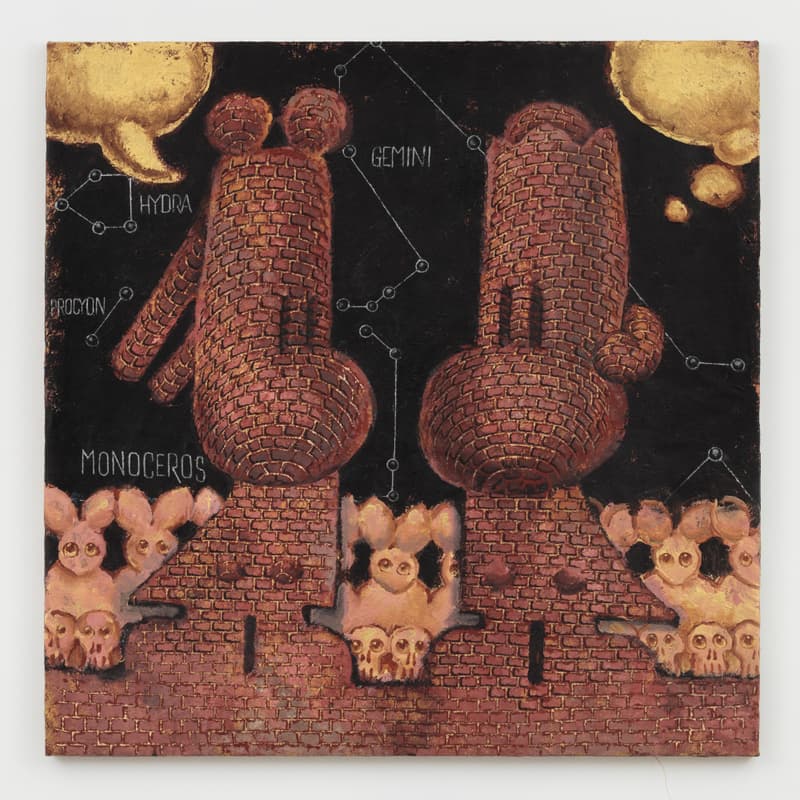
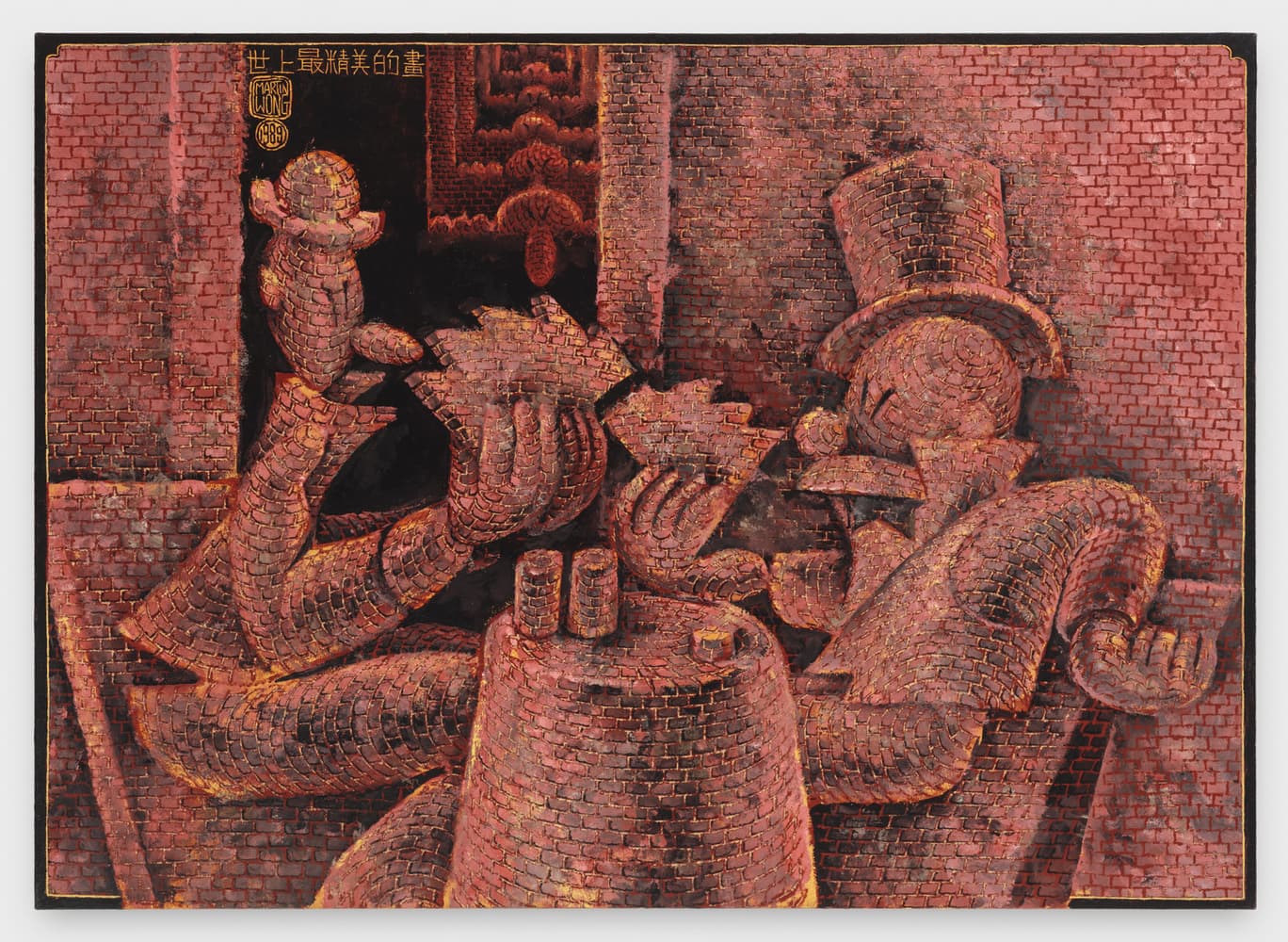
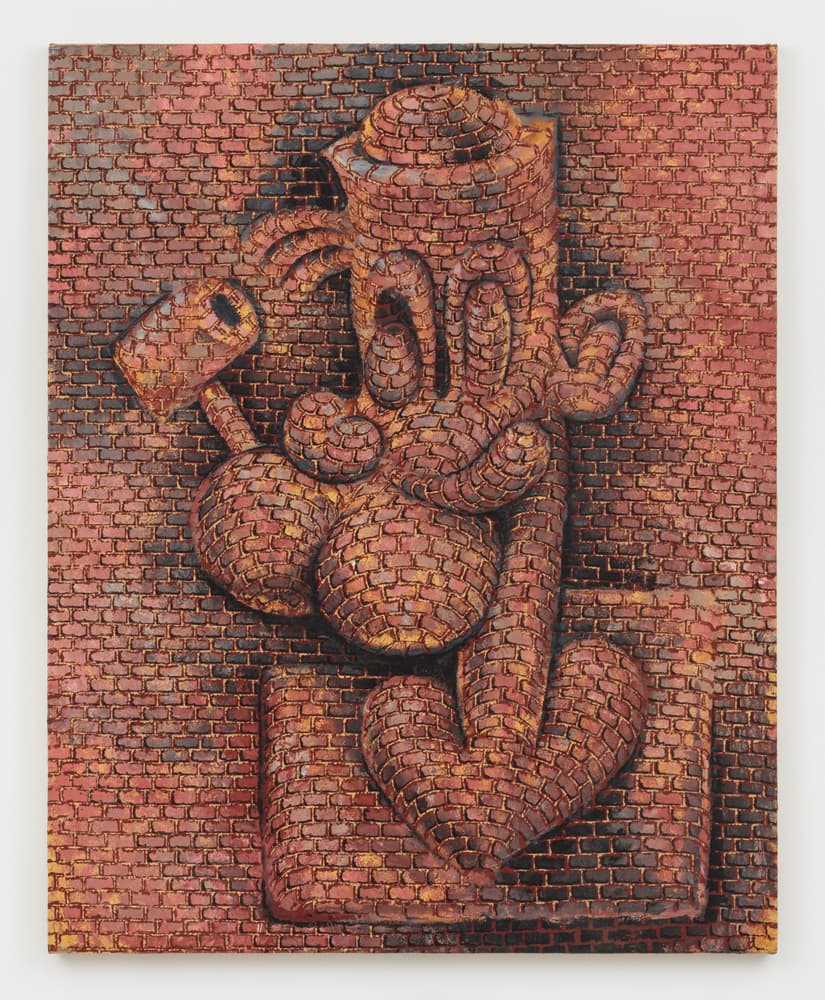
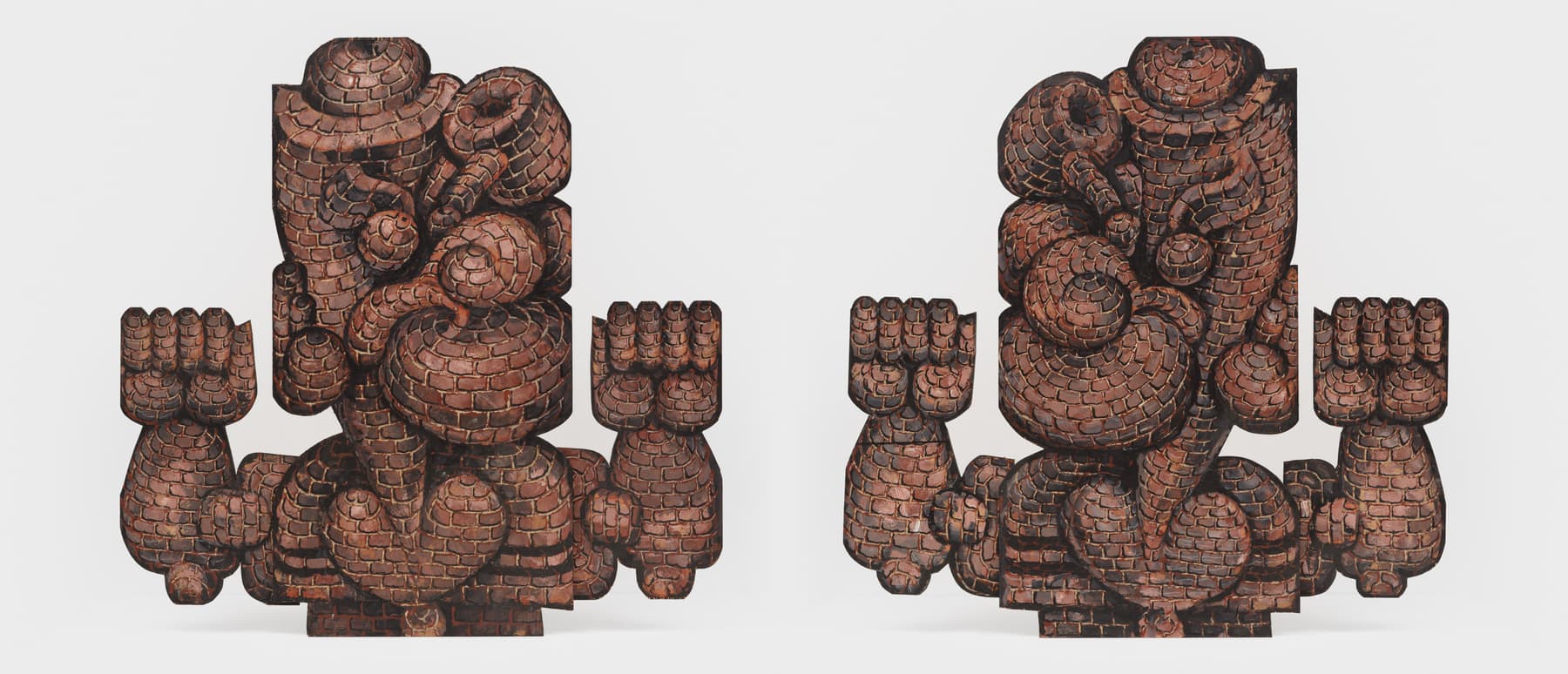
P·P·O·W is pleased to present Martin Wong: Popeye, the gallery's sixth solo exhibition of the artist's work, and the first solo show of Martin Wong in New York in over a decade. Co-curated by Mark Dean Johnson and Anneliis Beadnell, Popeye examines Wong's lifelong preoccupation with artistic subcultures—namely comic book illustration and early tattoo imagery—as reoccurring motifs in the artist's lexicon of images and symbols. In so doing, this presentation brings together disparate bodies of work created over three decades of Wong's career, highlighting an under explored throughline in Wong's output that is equally indebted to lowbrow comix as it is to the highbrow associations of Asian and European art histories. Anchoring the exhibition is a suite of larger-than-life Popeye cutouts. Created between 1989-97 in the last decade of Wong's life, and intended to be motorized, a pair of Popeye cutouts was exhibited once during the artist's time. The presentation at P·P·O·W brings together, and activates, for the first time eight of Wong's Popeye painted sculptures, a significant body of work revealing the artist's hand for composition, patterning, repetition, and incisive cultural commentary. Toggling between references as distinct as Op Art, Tibetan Citipati, Saturday morning cartoons, The Terracotta Army, and Cubism, these kinetic paintings eliminate hierarchies between visual gestures. In the process, Wong's Popeyes not only call into question these distinctions a priori, but simultaneously highlight the artist's singular style, in which centuries of art history coalesce into works where East meets West, low supplants high, and comics become canon. Beyond his pop cultural relevance, the Popeye character also functioned on an erotic level for Wong. As Johnson notes in the zine accompanying the exhibition, "Wong's Popeyes clearly convey an edgy, sexual sensibility. Necks arise from heart-shaped valentines, chins are scrotal, and noses and heads topped by sailor caps are phallic." This blurring between social realist concern and homoerotic desire is a mainstay of the artist's career, a notion underscored by Wong's depictions of prisoners, graffiti writers, and firemen in other bodies of work from the 1980s and 90s. Wong's fascination with cartoons found added cultural context after the artist's formative trip along the Hippie Trail from Europe to South Asia in the early 1970s. Enamored with collectibles and figurines since childhood, Wong commented on the subject after his return, as Beadnell reveals when quoting the artist in her zine essay, "To an American child, Donald Duck has the same sort of real existence as the demons and demigods of Indian and Tibetan popular religious art...The cartoons are our mythology..." This credo would be made manifest in paintings such as Untitled (Little Lulu and Tubby), c. 1989, and The Most Beautiful Painting in the World, 1989, the latter transposing the recognizable Mutt and Jeff comic characters into Cézanne's The Card Players from nearly a century prior. Keenly aware of the Western art historical canon, Wong has embedded into this painting a plethora of seemingly low art Asian and American allusions: an infinite string of "Kilroy was Here" faces, Wong's signature rendered as a Chinese name chop, and the artist's iconic allover brick façade patterning, to name a few. In Wong's visual world, meaning is never linear, but rather a composite of historical and cultural references that are sincere and comic in the same breath, always with a knowing nod to the sensual.