Dates
Mar 12 – Apr 25, 2026
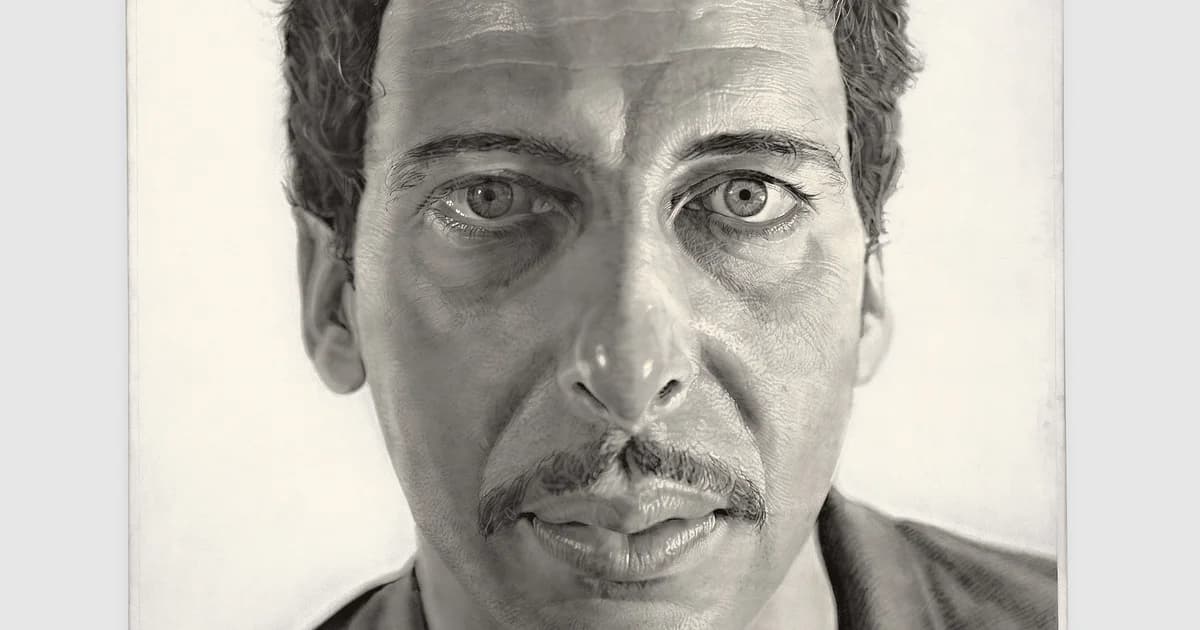
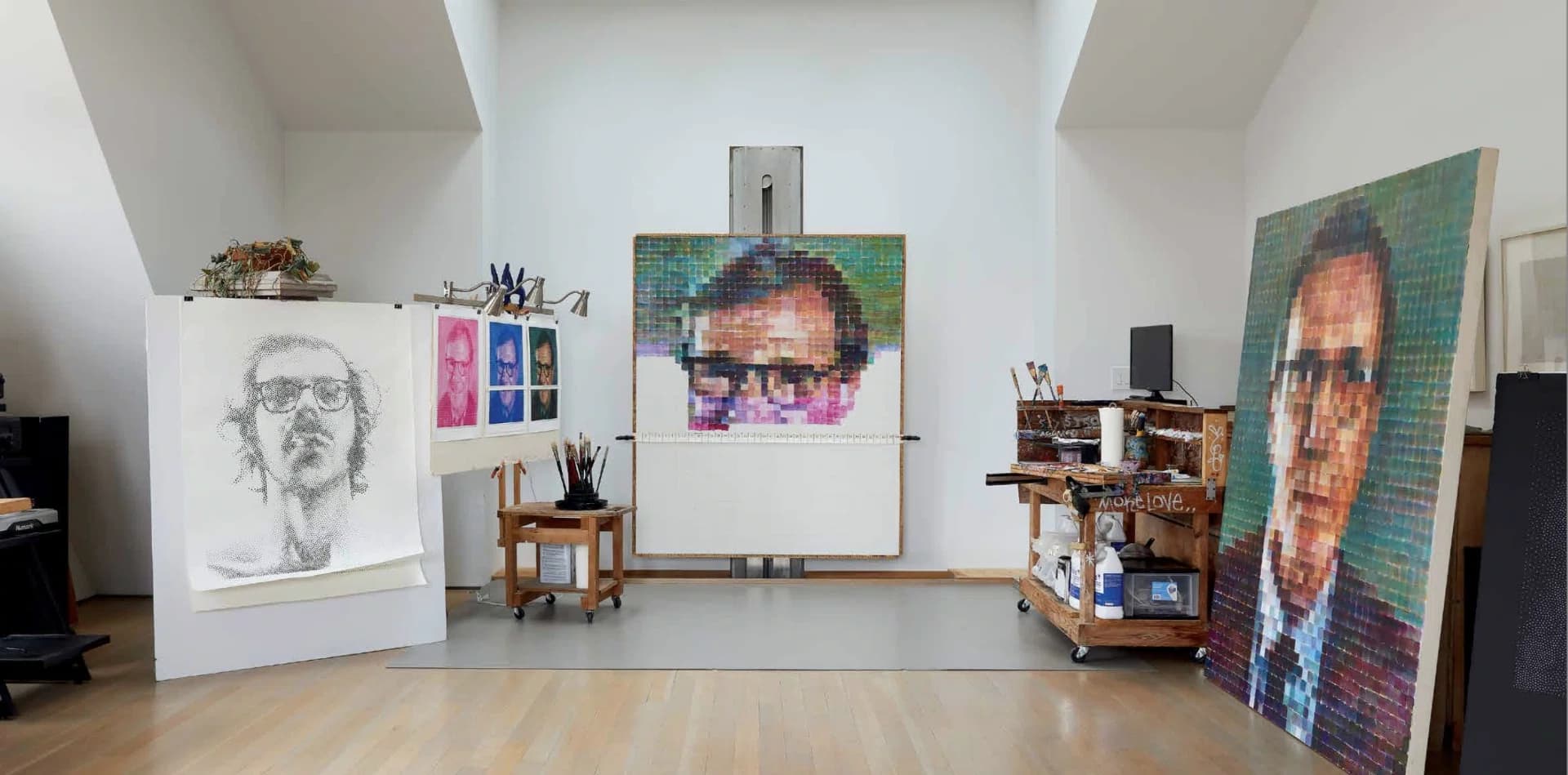
Including Close's heroic large-scale watercolors, Polaroids, drawings, maquettes and prints, this presentation—several years in the making—highlights the many ways in which paper became a primary and influential material in image-making over the course of his career. Since the 1970s, Close has been known for his innovative approach to conceptual portraiture, systematically transposing his subjects' likenesses from photographs onto gridded paintings and drawings. Over the course of five decades, his work has challenged conventional modes of representation. The artist posed radical propositions with his work, going against the grain of art world trends during the late 1960s and 1970s, when Minimalism, Pop art, and abstraction were dominant, and portraiture and photorealism were largely considered taboo. However, upon closer inspection, his larger-than-life images are strictly limited in their construction. A single mark—the blast from an air brush, the square from a stamp pad, the pressure of an inked-up fingerprint—creates familiar imagery. By these minimalist means, Close was able to convey the difference between the liquidity of eyes, the hard enamel of teeth, the weave of textiles, and strands of hair. With the most minimal means, he created the most maximalist paintings of his time. In doing so, Close gave permission to a generation of artists to return to portraiture and figuration, and, along with Lucas Samaras, gave credibility to Polaroid photography.